
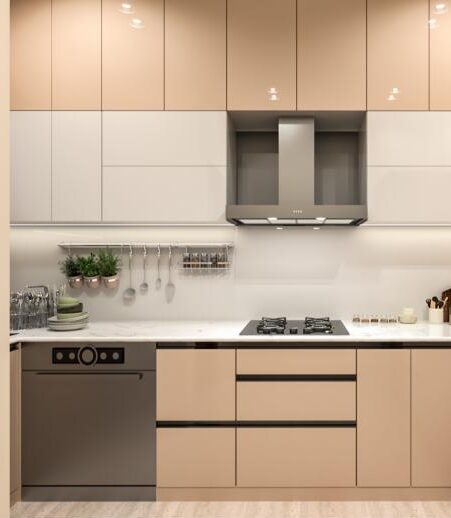
A modular kitchen is one of the most important spaces in a home, combining functionality with design. Choosing the right layout and materials ensures long-term comfort and efficiency. Understanding key aspects of modular kitchen design helps homeowners make informed decisions.
The first step is selecting the right kitchen layout. L-shaped, U-shaped, parallel, and island kitchens serve different space requirements. Choosing a layout based on room size and movement flow improves efficiency and supports practical kitchen interior design.
Material selection is equally important. Cabinets should be made from durable materials that can handle moisture and heat. Countertops, shutters, and hardware must be chosen carefully to ensure longevity. Quality materials play a major role in maintaining modular kitchen interiors.
Storage planning defines the success of a modular kitchen. Well-designed drawers, corner units, and tall cabinets help organize utensils and appliances efficiently. Smart storage solutions enhance functionality and make daily cooking easier, which is essential for good home kitchen design.
Lighting and ventilation should never be overlooked. Proper task lighting improves visibility, while efficient ventilation keeps the kitchen fresh and odor-free. These elements improve both comfort and usability.
To conclude, the right modular kitchen design is a balance of layout, materials, and storage planning. With thoughtful choices and professional guidance, homeowners can create a kitchen that is stylish, efficient, and built to last.
Always keeping an eye on those nesine çekiliş sonuçları! Fingers crossed for a win, haha. See if you’re a winner!: nesine çekiliş sonuçları